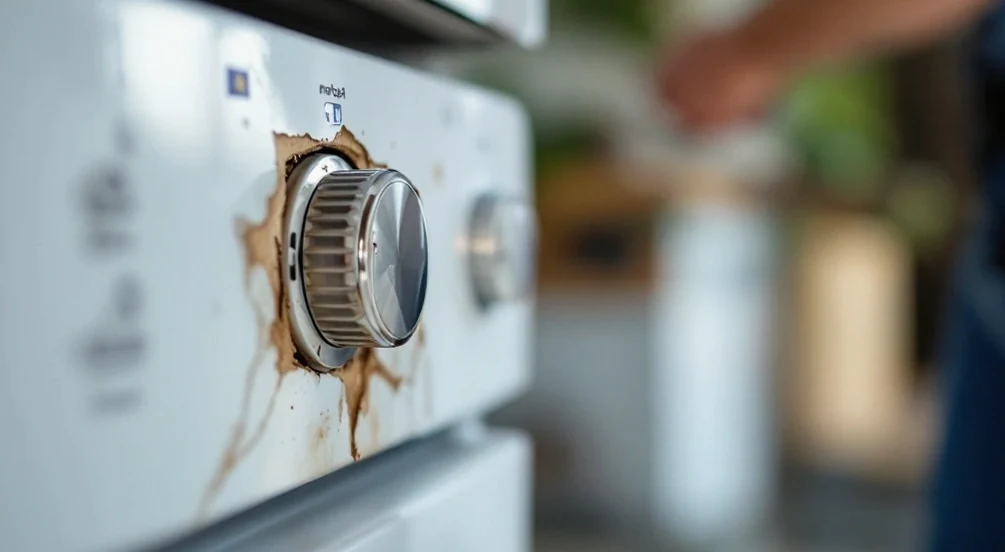
What are the signs you need Appliance Repair?
If your fridge is running but not cooling, your dishwasher leaves dishes wetter than when they went in, or your washer shakes the whole house, you need appliance repair. Unusual noises, leaks, and longer cycle times are the big ones. Don't wait until it quits completely.
Most Mobile homeowners don't call for help soon enough. They live with a dryer that takes three cycles to dry a load or a fridge that sounds like a freight train. By the time they call, a simple fix has often turned into a full replacement. The trick is knowing which sounds and behaviors are normal and which mean trouble.
A refrigerator that runs constantly but never gets cold enough is a classic sign. Check the back wall of the freezer. If you see ice buildup or frost, the defrost system is failing. That's not a minor annoyance. It means the compressor is working overtime, and that shortens its life fast.
Dishwashers that leave food on dishes or don't dry them are another red flag. In Mobile's humid climate, a dishwasher that doesn't dry properly can leave a musty smell in the whole kitchen. That smell isn't just unpleasant. It's mold and mildew growing in the seals and drain line.
Washing machines that walk across the floor during the spin cycle aren't just annoying. They can damage floors and cabinets. A machine that shakes that hard usually has worn suspension springs or a broken shock absorber. Ignoring it can crack the drum or break the motor mount.
Gas dryers that take forever to dry or leave clothes cold are a safety issue. The igniter might be weak, or the gas valve could be failing. A dryer that runs but doesn't heat can still fill your house with carbon monoxide if the vent is clogged. That's not something to mess around with.
The warning signs to watch for
Watch for leaks, strange noises, longer cycles, and error codes on digital displays. If your appliance is older than ten years and starts acting up, the cost of repair might not be worth it. Pay attention to how it smells and feels, too.
A puddle under the fridge or dishwasher is the most obvious sign. But a slow leak that dries before you see it can do just as much damage. Water that sits under a fridge in Mobile's heat can warp the floor and attract roaches. Check the drip pan behind the fridge every few months. If it's full or rusty, you have a leak.
Noises tell you a lot. A refrigerator that clicks on and off rapidly might have a failing compressor. A dishwasher that sounds like it's grinding rocks probably has something stuck in the pump or a worn motor bearing. A washing machine that squeals during the spin cycle has a bad belt or bearing. Each sound points to a specific part.
Cycle times matter. If your dishwasher used to run in an hour and now takes two and a half, the heating element or the water inlet valve is likely failing. A dryer that shuts off before the clothes are dry might have a bad thermostat. A fridge that runs constantly but never shuts off could have a dirty condenser coil or a bad thermostat.
Error codes on modern appliances are actually helpful. If your washer shows an E4 or your fridge flashes a code, look it up. Most manufacturers have the code list online. But don't just clear the code and hope it goes away. That code is the machine telling you exactly what's wrong. Write it down before you call a technician.
Smells are a clue too. A burning smell from a dryer is usually lint buildup in the vent or on the heating element. That's a fire hazard. A musty smell from a front-load washer means mold in the door seal or the drain pump. A rotten egg smell from a gas appliance could be a gas leak. If you smell gas, get out and call the gas company first.
What causes these problems in Mobile
Mobile's heat, humidity, and salt air cause corrosion, mold, and electrical issues. Frequent storms and power surges can fry circuit boards. Hard water in some parts of town leaves mineral deposits that clog valves and heating elements.
Living in Mobile means your appliances work harder than they would in a dry climate. The humidity makes refrigerator coils rust faster. The salt air from the coast corrodes electrical connections and control boards. A dryer vent that worked fine in Colorado will clog twice as fast here because the air is already heavy with moisture.
Power surges are a real problem in Mobile. Thunderstorms roll through almost every afternoon in the summer. A surge can kill the control board on a modern fridge or washer. That repair often costs as much as a new machine. A whole-house surge protector at your breaker panel is cheap insurance.
Hard water is common in parts of Mobile, especially west of I-65. Mineral deposits build up inside water heaters, dishwashers, and washing machines. They clog the water inlet valves and coat the heating elements. A dishwasher that won't fill or a washer that takes forever to fill is often just a clogged valve screen. But if you let it go, the valve itself burns out.
Mold and mildew love Mobile's damp crawl spaces and laundry rooms. A front-load washer that never gets the door left open will grow mold in the rubber seal. That mold can get into the drum and onto your clothes. Running a cleaning cycle with vinegar or a washer cleaner every month helps, but a bad seal needs to be replaced.
Rust is the enemy of any metal part in Mobile. The condenser coils on a fridge, the drum bearing on a washer, the gas valve on a dryer. They all rust faster here. A fridge that's only six years old might have coils that look like they came off a boat. Keeping the coils clean and the area dry slows it down.
What happens if you ignore the signs
A small problem becomes a big one. A leaking dishwasher can rot your subfloor and cabinets. A fridge that runs constantly can drive up your electric bill and die completely. A dryer with a clogged vent can start a fire. The cost of ignoring it is always higher than the cost of fixing it early.
Let's say your fridge is making a clicking noise every few minutes. That's the compressor trying to start but failing. If you ignore it, the compressor eventually locks up or burns out. A compressor replacement on a modern fridge often costs more than a new fridge. You end up buying a new refrigerator when a simple start relay or capacitor would have fixed it for under a hundred dollars.
A dishwasher that leaks a little water onto the floor every cycle will eventually rot the plywood subfloor. In Mobile's humidity, that rot spreads fast. You might not notice until the tile starts cracking or the floor feels spongy. Then you're not just replacing the dishwasher. You're tearing out the floor and maybe the cabinets too.
A washing machine that shakes violently can crack the concrete floor in a basement or loosen the tiles in a laundry room on a slab. It can also damage the machine itself. The drum can crack, the motor mounts can break, and the suspension can fail completely. At that point, the machine is junk.
A dryer that takes longer and longer to dry clothes is a fire waiting to happen. Lint builds up in the vent and on the heating element. The element gets hot enough to ignite the lint. Dryer fires are real. They start in the vent, not in the drum. If your dryer is running hot or taking forever, clean the vent and call a pro to check the heating element.
Ignoring a gas smell from any appliance is dangerous. A small leak can build up in a closed laundry room or kitchen. One spark from the dryer motor or the fridge compressor can ignite it. If you smell gas, don't flip any switches. Don't use the phone. Get out and call the gas company from outside.
Common questions about Appliance Repair warning signs
Need appliance repair in Mobile? Get a free estimate today.
📞 256-587-8950